Key Takeaways
- Copilot Workspace now orchestrates end-to-end task lifecycles, turning high-level specifications into verified multi-file pull requests.
- Multi-repository context mapping enables agents to identify inter-service dependencies across microservice architectures.
- Integrated CI/CD testing and governance guardrails reduce pull request turnaround times and review bottlenecks.
Autonomous Task Resolution Replaces Inline Completion
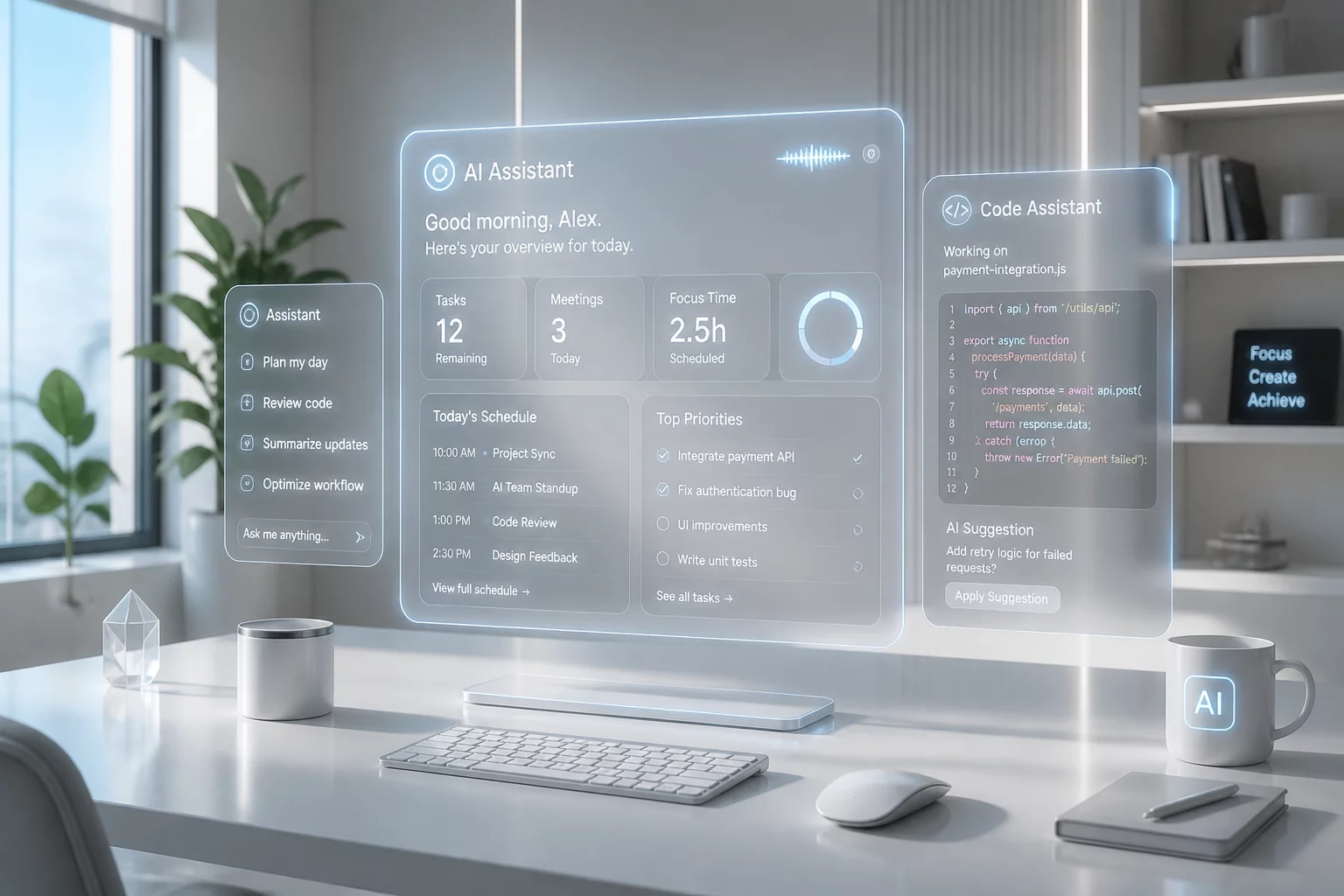
Microsoft has initiated a structural pivot from passive inline code completion toward autonomous agentic task resolution with the latest release of Copilot Workspace. The upgraded platform parses natural language issue descriptions, constructs a dependency-aware plan across codebases, and provisions an isolated development container where background agents draft, compile, and validate comprehensive changes.
Development teams no longer need to manually guide the assistant line by line. The agent executes unit tests against each iteration, automatically resolving syntax discrepancies and assertion failures before human reviewers examine the pull request.
Cross-Repository Context and Enterprise Governance
Enterprise architectures rarely live inside a single isolated repository. The new workspace update indexes API contracts, schema registries, and downstream consumers across connected repositories, preventing breaking interface changes during feature implementation.
"The shift from code completion to agentic task resolution marks a fundamental transition in how engineering teams manage complex software lifecycles."
— Michael Ross
Comprehensive security guardrails accompany this expansion. Enterprise policy engines execute automated compliance scans, license checks, and secret detection before generated branches are submitted for team review.
Deployment Autopilot and Operational Resilience
The update introduces integrated Autopilot agents designed to streamline deployment readiness and mitigate production regressions across complex environments:
- Automated canary health evaluation with rollback triggers when error budgets or latency thresholds are breached.
- Granular diff analysis and risk scoring for human reviewers to accelerate complex code review cycles.
- Dynamic synthetic trace generation to validate distributed service contracts under edge workloads.
Engineering teams adopting these autonomous development workflows experience measurable reductions in delivery friction, giving architects more bandwidth to solve strategic systems problems.
Discussion & Feedback
Verified EngineersElena Rostova
Lead Systems ArchitectThe new Copilot pillars look very promising.
Leave Your Analysis
Join the software architectural conversation.